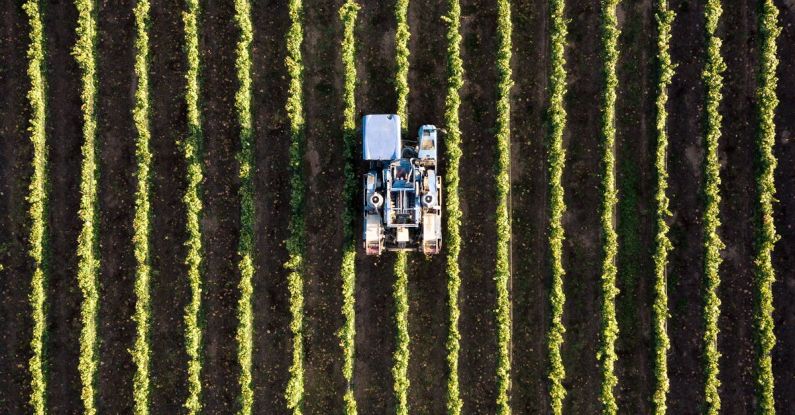
Unmanned Aerial Vehicles: Transforming Agriculture and Surveillance
From the bustling streets of urban cities to the quiet countryside, the presence of drones, also known as Unmanned Aerial Vehicles (UAVs), is becoming increasingly common. These versatile flying machines are not just for recreational use or military operations but are also revolutionizing industries like agriculture and surveillance. With their ability to capture high-resolution images and data from above, UAVs are providing innovative solutions to age-old challenges. Let’s delve into how these unmanned aircraft are reshaping the fields of agriculture and surveillance.
Agricultural Advancements:
In recent years, UAVs have made a significant impact on the agricultural sector, offering farmers a new perspective on their crops and land. By equipping drones with specialized cameras and sensors, farmers can obtain valuable data on crop health, soil conditions, and irrigation needs. This data, collected through aerial imaging, allows farmers to make informed decisions that can increase crop yields, reduce costs, and minimize environmental impact.
Improved Efficiency and Precision:
One of the key benefits of using UAVs in agriculture is the enhanced efficiency and precision they bring to farming practices. Traditional methods of crop monitoring and analysis are often time-consuming and labor-intensive. With drones, farmers can quickly survey large areas of land and pinpoint areas that require attention. This targeted approach enables farmers to apply resources such as water, fertilizers, and pesticides more efficiently, leading to improved crop health and productivity.
Remote Sensing Capabilities:
UAVs equipped with advanced sensors, such as multispectral and thermal cameras, are capable of capturing detailed information that is not visible to the naked eye. By analyzing this remote sensing data, farmers can detect early signs of crop stress, disease, or nutrient deficiencies. This early detection allows for timely interventions, preventing potential crop losses and ensuring optimal yields. Furthermore, the ability to monitor crop growth throughout the season provides valuable insights into the effectiveness of different farming practices.
Surveillance Enhancements:
Beyond agriculture, UAVs are transforming the field of surveillance by offering a cost-effective and versatile aerial monitoring solution. Law enforcement agencies, border control authorities, and private security firms are increasingly turning to drones for surveillance purposes due to their agility, stealth, and ability to cover vast areas quickly.
Enhancing Security Measures:
In the realm of surveillance, UAVs are playing a crucial role in enhancing security measures and response capabilities. Drones equipped with high-definition cameras and infrared sensors can provide real-time aerial surveillance, allowing security personnel to monitor crowds, track suspects, and respond to emergencies more effectively. Additionally, UAVs can be deployed in hard-to-reach or hazardous areas, providing a safe and efficient means of gathering intelligence.
Border Patrol and Search-and-Rescue:
Border patrol agencies are utilizing UAVs to monitor remote borders, detect illegal crossings, and combat smuggling activities. These unmanned aircraft offer a cost-effective solution for continuous surveillance of border areas, supplementing traditional ground patrols and reducing the risk to border agents. Moreover, drones equipped with thermal imaging cameras are invaluable in search-and-rescue operations, helping locate missing persons in large or inaccessible terrain.
In conclusion, Unmanned Aerial Vehicles are revolutionizing the way we approach agriculture and surveillance. By harnessing the power of aerial imaging, remote sensing, and real-time monitoring capabilities, UAVs are providing valuable insights, improving efficiency, and enhancing security measures. As technology continues to advance, the potential applications of drones in these fields are boundless, promising a future where UAVs play an increasingly integral role in shaping our world.