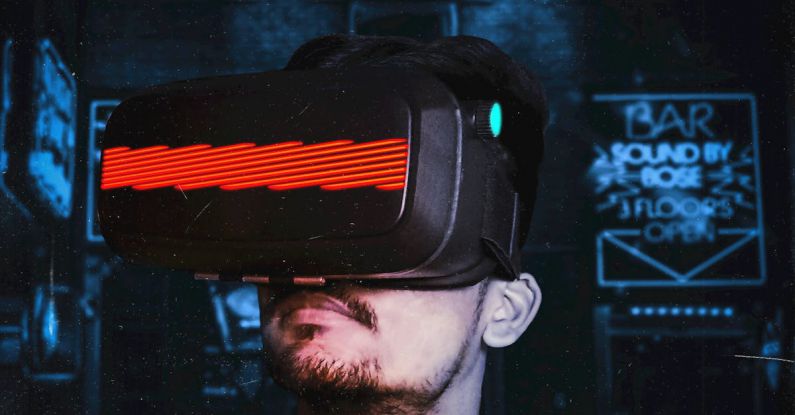
The New Wave of Augmented Reality: Applications and Implications
Augmented Reality (AR) has been making waves in various industries, revolutionizing the way we interact with the world around us. From entertainment to healthcare, education, and beyond, AR applications have been expanding rapidly, offering innovative solutions and immersive experiences. This article delves into the new wave of augmented reality, exploring its applications and implications in today’s rapidly evolving technological landscape.
**Enhancing User Experience**
One of the key areas where augmented reality has made a significant impact is in enhancing user experiences across different platforms. AR technology allows users to overlay digital information onto the physical world, creating a seamless blend of real and virtual elements. This enhanced user experience has been leveraged in fields such as gaming, retail, and marketing, where AR applications have transformed how consumers engage with products and services.
**Education and Training**
Augmented reality has also emerged as a powerful tool in the field of education and training. By integrating AR technology into learning environments, educators can create interactive and engaging experiences that cater to diverse learning styles. From virtual field trips to immersive simulations, AR allows students to explore complex concepts in a dynamic and interactive manner, making learning more accessible and enjoyable.
**Healthcare Innovations**
In the healthcare industry, augmented reality has opened up new possibilities for medical professionals and patients alike. Surgeons can use AR applications to visualize complex procedures in real-time, enhancing precision and reducing the risk of errors. Patients can benefit from AR-enabled devices that provide personalized health information and support, empowering them to take control of their well-being.
**Retail and E-Commerce**
The retail sector has also embraced augmented reality as a way to enhance customer engagement and drive sales. AR applications allow consumers to try on virtual clothing, visualize furniture in their homes, and even preview products before making a purchase. This immersive shopping experience not only enhances customer satisfaction but also reduces returns and improves conversion rates for retailers.
**Implications for Privacy and Security**
While the advancement of augmented reality brings about numerous benefits, it also raises concerns regarding privacy and security. As AR technology becomes more integrated into our daily lives, there is a growing need to address issues such as data protection, consent, and security measures to safeguard user information. Striking a balance between innovation and privacy will be crucial in ensuring the responsible development and deployment of AR applications.
**The Future of Augmented Reality**
Looking ahead, the future of augmented reality holds immense potential for further innovation and growth. As technology continues to evolve, AR applications are expected to become more sophisticated and widespread, transforming how we interact with the world around us. From smart glasses to AR-enhanced smartphones and wearable devices, the possibilities for AR are endless, promising a future where virtual and physical realities seamlessly intertwine.
**In Summary**
The new wave of augmented reality is reshaping industries and redefining user experiences in unprecedented ways. From enhancing education and healthcare to revolutionizing retail and entertainment, AR applications are driving innovation and pushing boundaries across various sectors. However, as we navigate this evolving technological landscape, it is essential to consider the implications of AR on privacy, security, and ethical considerations. By embracing the potential of augmented reality while addressing these challenges, we can unlock the full benefits of this transformative technology and create a more connected and immersive future for all.