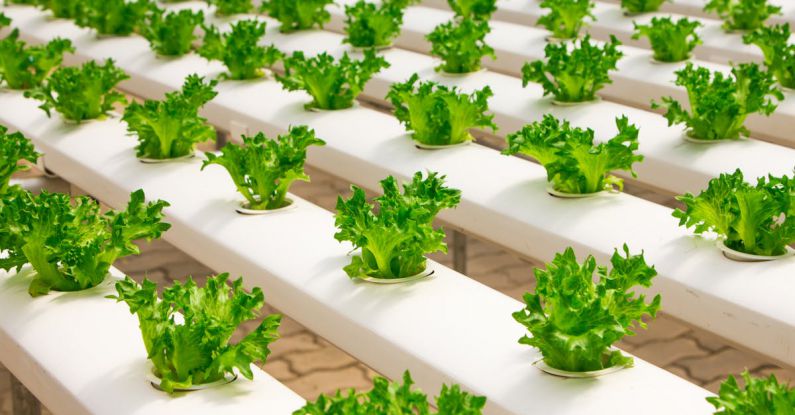
The Future of Food Production: Innovations in Vertical Farming
As the global population continues to grow, the demand for food production is on the rise. Traditional farming methods are facing challenges such as limited arable land, climate change, and water scarcity. In response to these challenges, innovative solutions like vertical farming are gaining momentum as a sustainable and efficient way to produce food for the future.
**Vertical Farming: A New Approach to Agriculture**
Vertical farming is a revolutionary method of growing crops in vertically stacked layers, utilizing controlled environment agriculture technology. This approach allows for year-round production of a variety of crops without being limited by weather conditions or seasonal changes. By optimizing space and resources, vertical farming can significantly increase crop yield per square foot compared to traditional farming methods.
**Harnessing Technology for Sustainable Agriculture**
One of the key components driving the success of vertical farming is the integration of cutting-edge technologies. These include LED lighting systems, automated irrigation systems, and climate control mechanisms. LED lights mimic the spectrum of sunlight needed for plant growth, while automation ensures precise monitoring and adjustment of environmental conditions such as temperature, humidity, and nutrient levels. These technological advancements not only maximize efficiency but also reduce the need for pesticides and herbicides, making vertical farming a more sustainable and environmentally friendly option.
**Addressing Urbanization and Food Security**
With the world’s population increasingly concentrated in urban areas, traditional agriculture is facing challenges in supplying fresh produce to city dwellers. Vertical farming offers a solution by bringing food production closer to urban centers. By utilizing vacant urban spaces such as warehouses, shipping containers, or high-rise buildings, vertical farms can reduce the distance food travels from farm to table, minimizing carbon emissions associated with transportation. This localized approach to food production not only enhances food security but also promotes community resilience and self-sufficiency.
**Diverse Crop Cultivation and Nutritional Benefits**
Vertical farming presents an opportunity to cultivate a wide range of crops, including leafy greens, herbs, fruits, and even root vegetables. The flexibility of this farming method allows for the customization of growing conditions to suit the specific needs of each crop, resulting in higher nutritional value and superior taste compared to mass-produced, long-distance shipped produce. Additionally, vertical farms can be tailored to meet the dietary preferences and cultural needs of diverse populations, contributing to a more inclusive and sustainable food system.
**Challenges and Opportunities for the Future**
While vertical farming holds great promise for the future of food production, there are still challenges to overcome. The initial investment costs for setting up a vertical farm can be high, and energy consumption remains a concern despite advancements in efficient technologies. Additionally, scaling up operations to meet the demands of a growing population will require strategic planning and collaboration between stakeholders in the agriculture, technology, and policy sectors.
**Looking Ahead: A Sustainable Food Future**
In conclusion, vertical farming represents a paradigm shift in agriculture that has the potential to transform the way we grow and consume food. By harnessing technology, optimizing resources, and embracing innovation, vertical farming offers a sustainable solution to the challenges facing traditional farming methods. As we look towards a future with a growing population and changing climate, vertical farming stands out as a beacon of hope for a more resilient, efficient, and sustainable food system. Embracing this innovative approach to food production will not only secure our food supply but also pave the way for a healthier and more prosperous future for generations to come.